
EMDR & Trauma Therapy

The Science of EMDR
EMDR uses bilateral stimulation to help the brain naturally re-encode traumatic memories and calm the nervous system. Research shows it is one of the most effective treatments for trauma, often outperforming traditional prescription options with long-lasting, symptom-free results.
What Can EMDR Help With?
EMDR has been around for decades, and research shows it is highly effective with numerous issues, including the following:

PTSD, complex PTSD, or other unhealed childhood experiences
Anxiety and phobias
Anger and triggers
Those experiencing grief and loss
Low self-esteem and imposter syndrome
People with attachment wounds that show up in your current relationships
Depression and negative self-talk
Recovering from break-ups or divorce
Couples looking for marriage counseling to break painful, trauma-driven cycles together
Self-Confidence
People with attachment wounds that show up as conflict in current relationships.
Those who feel “stuck” in any current patterns and want to explore obstacles that may be hindering their potential
Your Brain is Designed to Heal Itself!
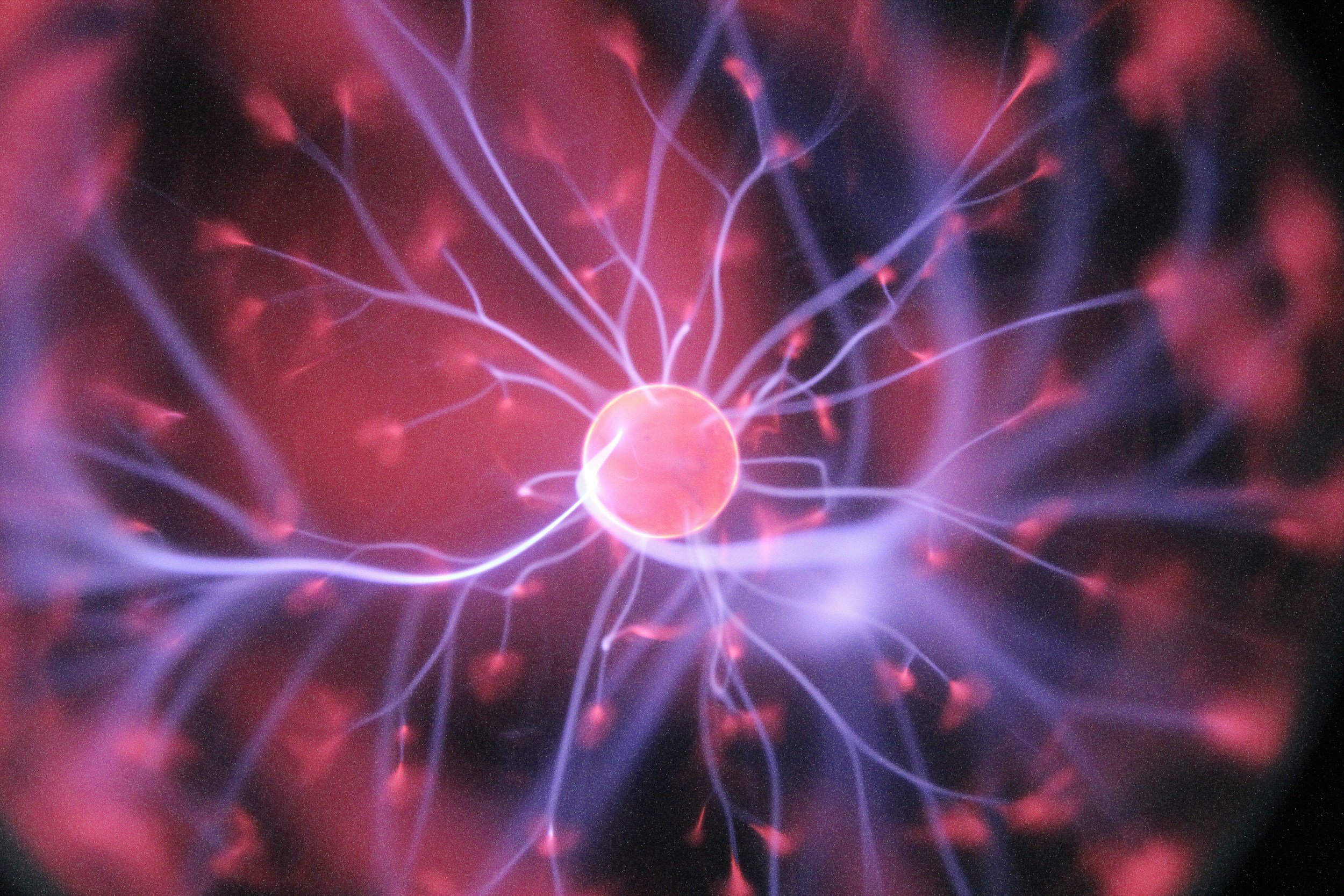
EMDR harnesses the adaptive abilities your brain already possesses. When an experience overwhelms your capacity at the time, it is stored as an “unprocessed” memory that gets triggered in your current life. Your current problems often come from your unprocessed past experiences and your past holds the keys to unlocking a positive future.


What Happens In An EMDR Session?
Your initial sessions focus on mapping out your triggers and building emotional coping tools before moving into targeted memory processing. Using bilateral stimulation (BLS), you will bring specific memories to mind, allowing your brain the freedom to process and naturally heal.
-
We’ll explore your history, noting any significant memories or unprocessed experiences that could be an underlying cause of your current dissress. We’ll create a game plan for moving forward with processing those memories.
-
You will learn grounding exercises and other tools you’ll use in upcoming phases and in-between sessions.
-
The one of the shortest phases of EMDR, this phase is simply a series of 7 questions used to help you connect with the target memory before processing, using BLS (bi-lateral stimulation).
-
Using BLS (bi-lateral stimulation) such as eye-movement, tapping, or buzzing “paddles”, you’ll start with a target memory and allow your brain to process in the safety of our office. (note, no hypnosis is involved!)
-
Using bi-lateral stimulation, you will allow your brain to process the new positive cognition. For example, instead of “I am a failure”, you may feel something new is true, such as “I did my best” or “I am worthy as I am.”
-
You’ll check in with your physical body sensations and process any residual disturbance still left over from the previous phases. You may process until you feel completely grounded and at peace.
-
A brief phase used after the reprocessing phases (4-6). Closure is a time of grounded and reflecting on the reprocessing experience.
-
You’ll review your expiernece since the previous session, talk through any positive or negative changes you’ve notices, process any deams or insights you may have had between session, etc. At the point, you may choose your next target memory for reprocessing.
How Your Brain Reprocesses Traumatic Memories
Think of your brain as driving the train toward healing while your therapist stays along for the ride, keeping you safely anchored in the therapy room as you notice changing thoughts, physical sensations, and insights. This fluid, non-linear process allows your nervous system to safely rewire stuck memories and clear old triggers, helping you transition from a state of survival to a true breakthrough.
(Note: EMDR is a completely conscious, collaborative process and is NOT the same thing as hypnosis; you will not be hypnotized at any time during your treatment.)

“The worst part of holding the memories is not the pain. It’s the loneliness of it. Memories need to be shared.”
— Lois Lowry
Eye Movement Desensitization & Reprocessing (EMDR) is a therapy technique used to reprocess unresolved or unprocessed negative experiences. This reprocessing is different than typical talk therapy, as it’s paired with bilateral stimulation through eye movement.
While there have been countless studies on how and why EMDR works since its development in the 1980’s by Dr. Francine Shapiro, scientists still do not fully understand all the intricacies of its mechanism, despite its undeniable results! Researchers know that the bilateral stimulation helps re-encode memories (similar to eye movement in REM sleep), helps the two hemispheres of the brain work in tandem, and assists in regulating the nervous system, among other things.
EMDR is one of the most effective forms of treatment for trauma. One study shows it was not only more effective than Prozac, but once treatment was complete, clients continued to be asymptomatic, unlike those who’d taken Prozac!