
The ECG Blog

Before You Cut Someone Off: A Better Way To Set Boundaries
Have you ever agonized over whether to give a relationship another chance, running the pros and cons over and over, unable to land on an answer? Or maybe you are in a relationship that is harming you over and over again, but you are staying true to a commitment you made when things looked very different.
Both of these could be boundary problems. One is about not being sure who deserves access to your future. The other is about giving access when it hasn’t been earned. And truthfully, most of us have never actually mapped out what "access" even means, much less who should get how much of it. So, we default to gut feeling, guilt, or whoever's in front of us at the moment.
I created a tool for myself when I was struggling with exactly the first problem. I was in the chaotic midst of deciding whether or not to continue in a relationship. I was making pros and cons lists, going back and forth, not sure whether to give an old relationship another chance.
I started thinking about access.
Who Gets Access To Me?
Who gets access to me? What criteria does an ex need to meet before I'd wisely consider starting things up again? When do I stop considering someone a friend who has a pattern of disrespecting me?
These were the questions I asked myself as I pulled out an old concept I'd used in therapy with my own clients many times: concentric rings of boundaries I'd use to help clients get clarity on this exact kind of thing. I pulled it back out and started developing it further (somewhat based on Robin Dunbar's work on layers of intimacy).
I started with my closest circle. I asked myself: who has shown themselves to be trustworthy, healthy, consistent, honest? And what, specifically, would I give that kind of person access to? I chose one friend who I believed exemplified “ideal” friendship and could act as a prototype.
My closest and most trusted, ideal friend/partner would have access to:
My time
My attention
My emotions and inner world
My vulnerabilities (e.g. fears, struggles, etc.)
My home
My physical affection
My resources (e.g. connections, wisdom, finances when appropriate, etc.)
My influence (i.e. I will contribute to their wellbeing and future)
My future (i.e. investment to continue in each other's lives)
This list blew my mind. I'd never had this kind of clarity on how to steward my important relationships before. Not only did it give me clarity about what I wanted to see from others, it was also a reality check. I realized I hadn't been strong in some of these areas the way I wanted to be, and that I needed to be.
I saw that every one of those items is really a boundary. A line that determines who's allowed how close. So, with that clarity on what my closer, more trusted circles should have access to, I built out my actual levels of relating:
Covenant — the people permanently, “unconditionally” bound to you: a spouse, a lifelong best friend of decades.
Inner Circle — the people who've earned deep trust but aren't bound to you for life: emotionally intimate friends, healthy family members, a romantic partner who's proven themselves over time but hasn't made a lifelong commitment yet.
Trusted — good friends, healthy family, mentors, long-term serious dating partners.
Friendly — people you enjoy but haven't built deep trust with yet: new friends, casual friends, extended family, new dating relationships.
Acquaintance — coworkers, neighbors, new people.
Public — strangers, service workers, the general public.
No Access — people who no longer get access to your life because staying in contact is incompatible with your wellbeing, safety, or values.
The Seven Levels of Access
Now that I had my circles divided up, I could flesh each one out - what type of access does each person actually get, and what does that boundary actually look like in practice?
Covenant
is reserved for the people bound to me permanently and “unconditionally” — a spouse, a lifelong best friend. I use quotes here for “unconditionally”, because all relationships can shift and change, and sometimes they should. I still chose the word “unconditional” because these relationship have a deep level of commitment and have proven themselves over a long period of time. Getting here requires extraordinary integrity, maturity, the ability to repair conflict, shared values, and long-term consistency proven over years, not months. These are the people who get full life partnership: a shared future, shared resources, shared everything, and full physical intimacy.
Inner Circle
is for people who are trustworthy, are protective of me, who love me, and are invested in me, who are safe and consistent, but who haven't made (or aren't in a position to make) a lifelong commitment the way Covenant people have. This is close, emotionally intimate friends, healthy family, or a romantic partner who has earned deep trust over real time. They get access to my fears, my dreams, some of my finances if/when appropriate, my big life decisions, and mutual influence over each other's lives.
Trusted Circle
is good friends, healthy family, mentors, and long-term dating partners. These are people who can handle disagreement without falling apart, who own their mistakes, who add calm and celebration to my life, and who show honesty and wisdom consistently. They get honest conversations, my struggles, my time, my home, and mutual support.
Friendly Circle
covers people I genuinely enjoy but who haven't earned deep trust yet. This could be new friends, casual friends, extended family, new dating relationships, or the consistent-but-not-close people in my life like a tennis partner, a dance class partner, a teacher, etc. Here Im watching for whether they're consistent, kind, generous, respectful of my boundaries, and don't gossip. They get shared hobbies, shared meals, some personal conversation, and invitations into my everyday life.
Acquaintances
This tier could contain colleagues, neighbors, new people - anyone who's friendly and open but who I don't yet know well enough to place anywhere else. They get pleasant conversation, general information, my everyday kindness, and professional interaction.
Public
is strangers, service workers, the general public - anyone with no established relationship to me at all. There's no criteria to meet here because there's no relationship yet. They get cordial, pleasant, short interactions, and physically, little to nothing - maybe a handshake.
No Access
No Access or “No Contact” (ie NC”) is for people who've shown patterns of lies, dishonesty, emotional or physical abuse, manipulation, or repeated violated boundaries. This tier means no amount of intimacy or personal information, no interaction unless absolutely required, and no expectation of reconciliation. These people have shown themselves to be dangerous to me, either physically, emotionally, financially, psychologically, etc. These people cannot be appropriately put in the “acquaintance” tier or the “public” tier and require a firmer boundary.
Physical Intimacy Boundaries
A word on the physical layer, since it's easy to skim past: access isn't just emotional, it's physical too. Who you let touch you, and how, is one of the clearest signals of what tier someone's actually in, whether you've consciously decided that or not. But I want to be really clear here: where you draw these physical lines is an extremely personal decision, and there is no universal right answer. Your own culture, values, religious faith, past trauma, and social norms all shape what feels appropriate at each level, and yours might look completely different from mine or anyone else’s. This is a wonderful concept to explore with your own therapist!
Creating Your Own Boundaries
What I've created here isn't a rulebook, its simply a general guideline and tool I created for myself. Yours will look different, and it should, built from your own values, your own history, your own life. But if you find yourself running the pros and cons list for the hundredth time, wondering whether to give someone another chance, remember that the question isn’t really “are they a good person?” It's what they've actually shown you they've earned. And if you're the one holding tight to an internal commitment you made back when the friendship looked completely different, you're allowed to notice that the person isn't the one standing in front of you now. You are always allowed to change your mind, and adjust when given new information. Access isn't something you owe people. It's something you steward.
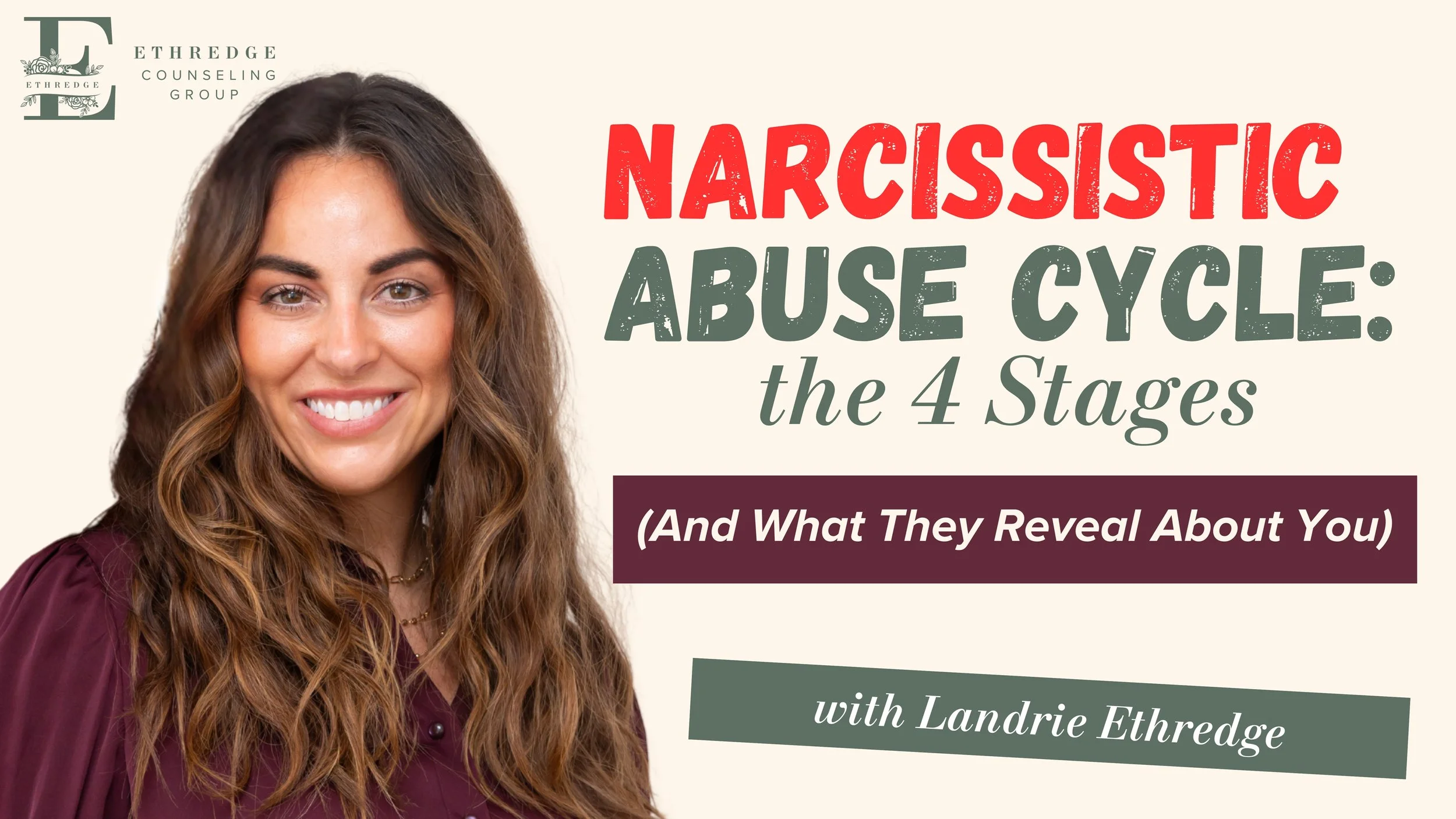
Narcissistic Abuse Cycle: The Four Stages (And What They Reveal About You)
I want to say something first, because I think it matters more than the label itself: not everyone who runs this pattern is a narcissist. Sometimes it's unresolved trauma, playing out on a loop the person doesn't even see. It's not always conscious. But whether it's intentional or not, the pattern is the pattern, and learning to recognize it is what protects you instead of focusing on figuring out the "why" behind someone else's behavior and choices
So let's talk about the cycle.
The Cycle Of Narcissistic Abuse
It starts with IDEALIZATION.
The love bombing. The attention that feels like it was made for you, the mirroring, the intensity that moves you from strangers to soulmates in what feels like no time at all. It feels incredible. That's the point.
Then comes DEVALUATION.
The shift is rarely dramatic at first. A little criticism here. A little withdrawal there. Comparisons. Playing the victim. Selective “forgetting” what matters to you. Tests you didn't know you were taking. Maybe its something big like infidelity, or maybe its subtle enough that you explain it away - they're stressed, you did do something wrong, you're overreacting. You start questioning your own perception of reality, but by now your are hooked and feeling desperate for their love.
Then, DISCARD.
And here's the part I think gets missed the most: it's easy for them to leave because the roots were never actually deep. What felt like intimacy wasn't real intimacy, not on their end, anyway. It may have been real for you. That's what makes it so disorienting. You were building something with real soil and real roots, and they were building something that could be pulled up in an afternoon. When they don't get their way, there's nothing holding them there, so they go.
And then, often, the HOOVER.
They come back. Not necessarily because they missed you, but because the dynamic isn't finished yet. And it works, because it re-triggers everything from stage one.
Can people change?
Maybe - if the pattern comes from trauma and not from something more fixed, there can be real growth. But remember: a relationship can only be as healthy as the least healthy person in it. Someone else's healing work doesn't happen for you, and it doesn't happen on your timeline. You are not responsible for carrying a relationship's health by yourself.
Which brings me to the part I actually think matters most.
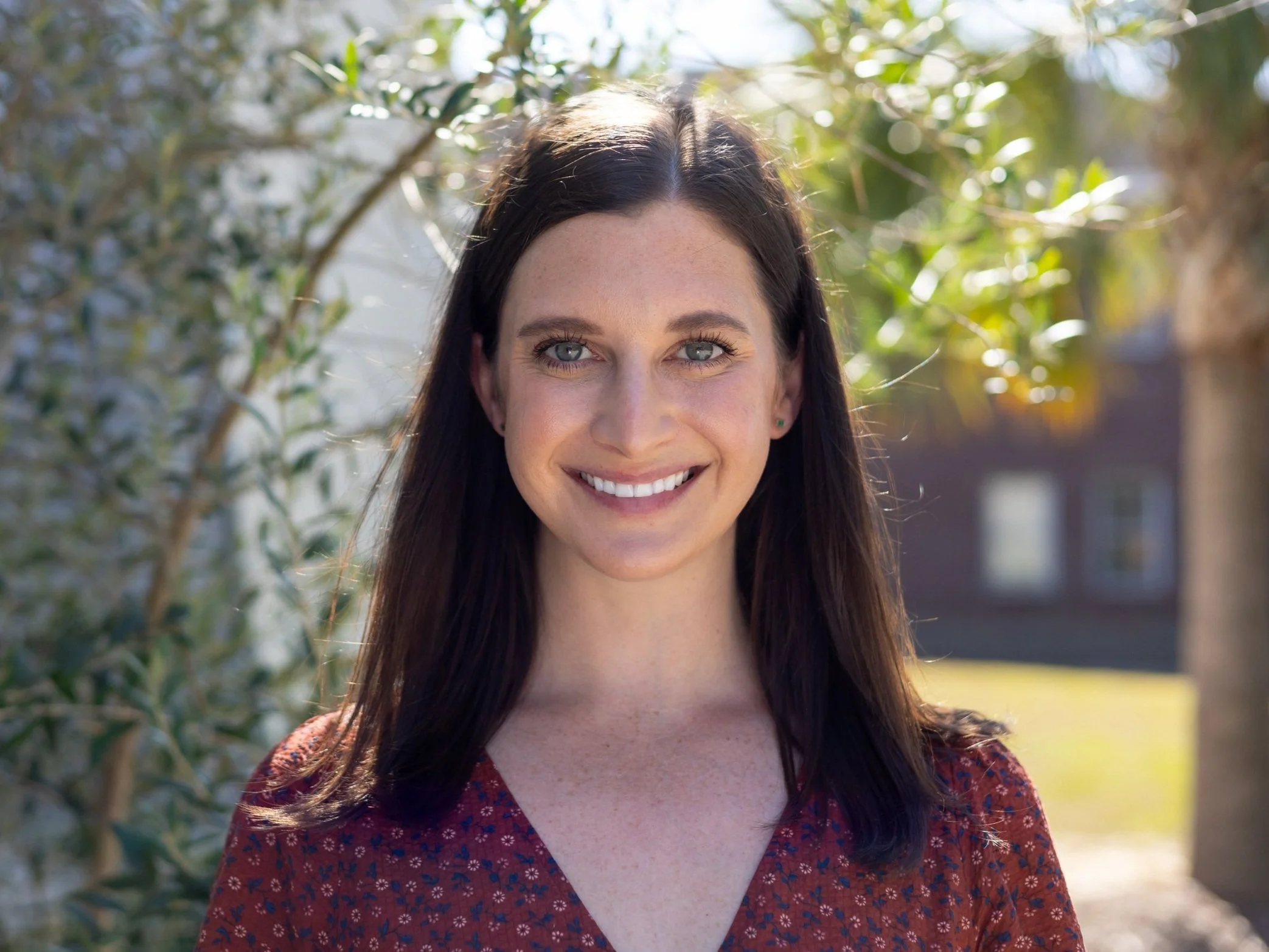
Meet Therapist Claire Johnson! Specializing in Body Image and Disordered Eating in Charleston, SC
Claire received her MS in Clinical Mental Health Counseling from the University of Tennessee, Knoxville. During her master’s program, she worked with college students and young adults on a variety of topics including body image, disordered eating, family and relationship challenges, trauma, anxiety, depression, and life transitions. Claire uses a person-centered approach to counseling and focuses on creating a genuine connection with clients, understanding their unique life experiences, and being a companion on their path to healing and finding peace. She believes that with adequate support, all people have the capacity to grow and become more fully themselves. Claire’s practice is trauma-informed and she attends to clients’ unique cultural identities in the counseling space. She lives in Charleston and enjoys music, reading, traveling, and quality time with loved ones.
About Me:
What's your professional background?
I worked in the corporate world for several years before changing careers and going back to school to pursue a counseling degree. I have mostly worked with young adults on a college campus, but I look forward to working with people of all ages and backgrounds as I continue in my career.
What do you love about your work?
I love understanding each client’s unique story. I greatly appreciate the strength and vulnerability it takes to come to counseling and do my best to honor that effort with compassion and commitment to the counselor-client relationship.
What drew you to becoming a therapist?
Going to counseling when I was younger was very impactful in my life. Since that experience, I have felt inspired to support others in the same way that I was supported, and to share the hope that things can get better.
What’s your specialty?
I work with clients experiencing many different challenges, but I have a special interest in working with clients with body image concerns, disordered eating habits, and relational challenges.
What’s your treatment style?
It is a collaborative approach based on empathic listening and building a genuine therapeutic relationship. I provide a nonjudgmental space and together my clients and I decide what would be most helpful for them during our time together.
Most likely to discuss during a treatment?
Interpersonal relationships. We are relational beings, and I believe that the relationships in our lives, both past and present, can impact how we see ourselves and how we cope with our life experiences.
Hobbies outside of work?
I love reading, going to concerts, exercising, and traveling.
What is your favorite self-care practice/coping skills?
Going on walks, pilates, breathwork, and intentional time spent with friends and family.

How To Decide Between Individual Therapy and Couples Therapy in Charleston, South Carolina
Choosing between couples therapy and individual therapy is a deeply personal decision that depends on your unique circumstances and goals. Both forms of therapy offer valuable benefits, and in some cases, a combination of both may be the most effective approach. The key is to assess your needs honestly and communicate openly with your partner (if applicable) about the best path forward. Remember, seeking therapy is a positive step toward healing, growth, and a healthier future, whether you do it together or individually.

Meet Relationship Specialist, Channing Harris!
What’s your speciality?
I enjoy working with a wide range of clients and addressing various issues. However, I specialize in relational issues. I’m particularly interested in helping individuals and couples navigate relationship dynamics, improve communication, and resolve conflicts. My focus on relational issues allows me to provide tailored support for those looking to strengthen their connections and build healthier, more fulfilling relationships.